Masterplan for Ajaccio
Location: Ajaccio
Year: Current - 2018
University: ETSAV
Professors: Carles LLop, Catalina Salvà, Franc Fernández
Authors: Miquel Luque, Diego Milla, Josep Pérez
Download
Coming soon
THE URBAN REDEVELOPMENT OF AJACCIO
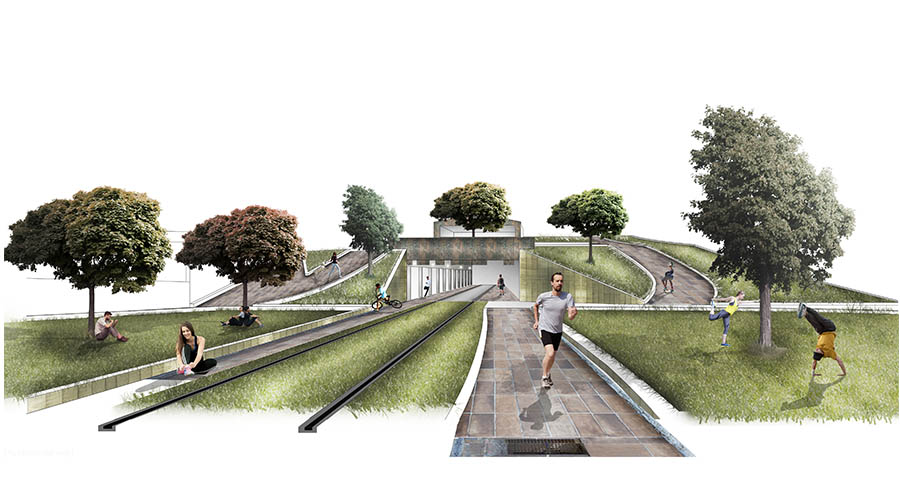
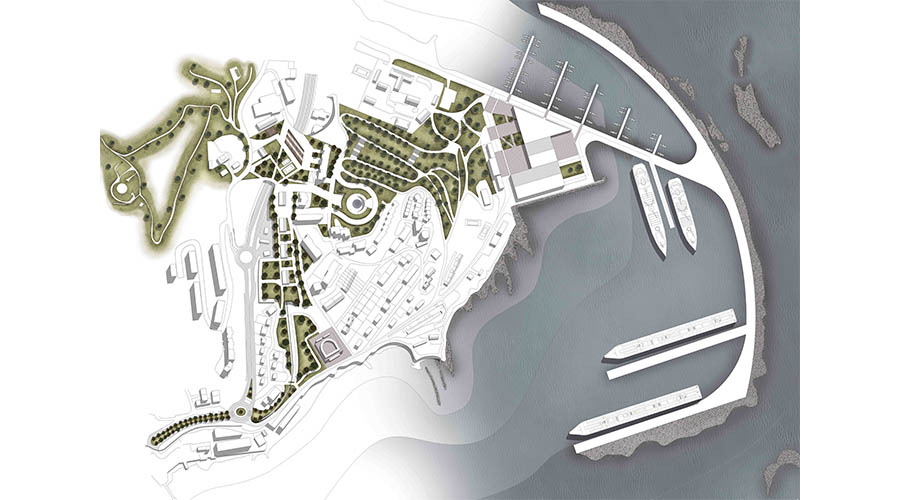
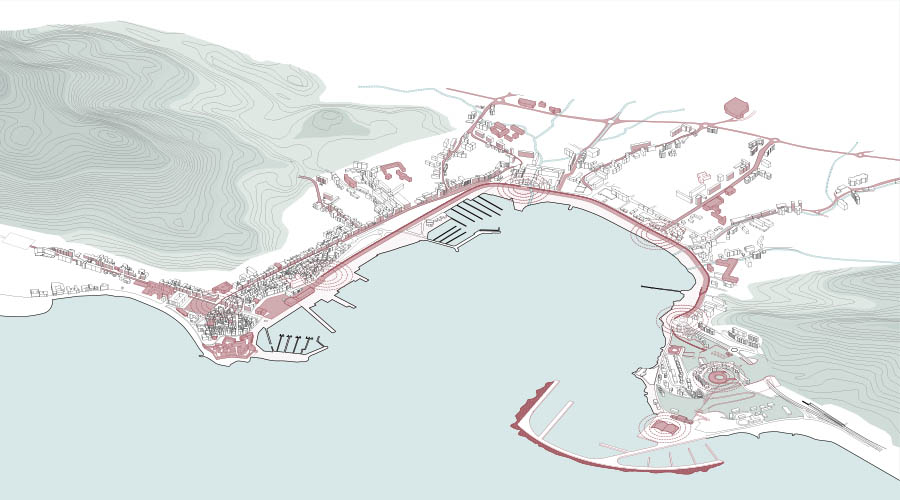
Our project is based on the desire to understand how the city of Ajaccio is currently articulated and what influence the impact of the port of the bay of Ajaccio on the city itself has. We are in an area characterized by an urban plot that, based on the historical fabric located in Ciutadella, stretches along the coastal route. However, there is a great disconnection between the city and its [natural surroundings]. This disconnection is mainly due to the presence of the train track, which interrupts the passage from the mountain to the sea and vice versa. There are currently small passages on the margins of the cities allowing the passage to these natural environments, although their current maintenance conditions are quite precarious.
THE NEW & OLD
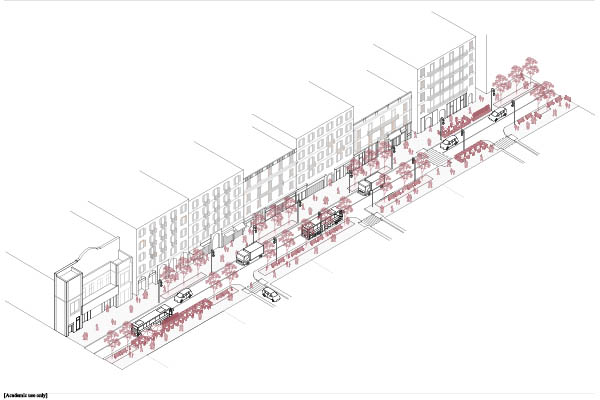
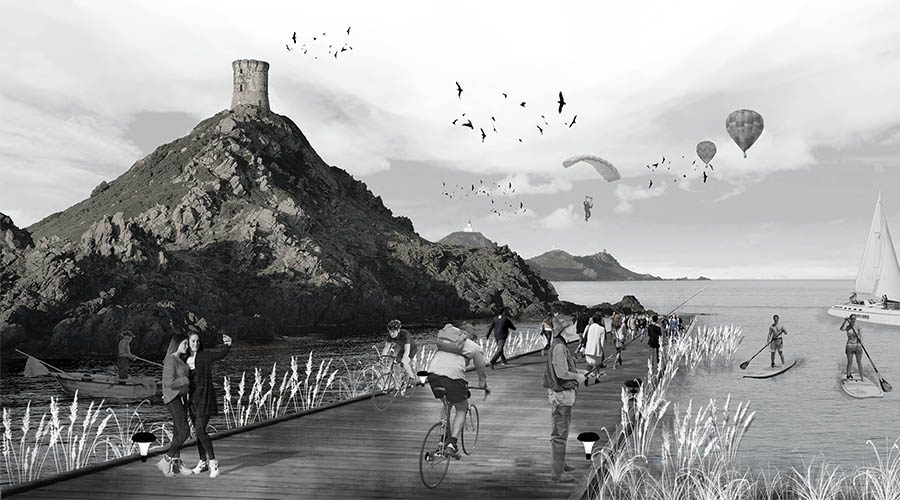
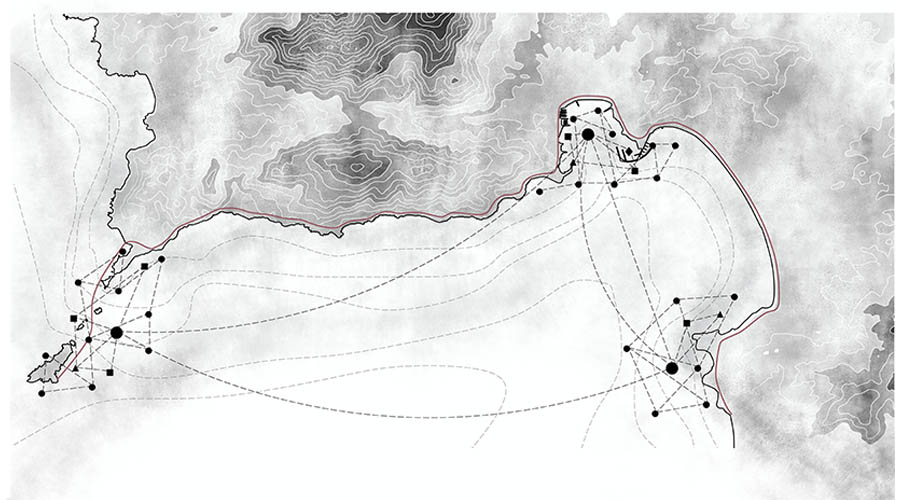
Thanks to the work carried out by colleagues of the previous year on the Bay of Ajaccio we have been able to establish two basic concepts to be able to work on their transformation. On the one hand, it is necessary to focus on changing mobility, investing the power of fast mobility, by slow mobility. On the other hand, we detect the existence of a singular historical point (as is the case of the bunker and the trench) in the neighborhood of Aspretto and we provide it with an infrastructure both at connectivity level and the development of a building Be able to interrelate with other singular points nearby.
At this point, we believe that these transformations will give the city new points of reference, these are directly connected through the slow mobility network.
SEWING THE NATURAL ENVIRONMENTS
With these precepts in mind, we divide the transformation of Ajacció Bay into three zones that allow sewing the two natural environments that surround the city: the seafront and the mountain. It should be noted that these three zones will be connected to each other through a civic axis that contains pedestrian area and a tram mobility system that will replace the current train track. At the longitudinal level we connect from the port of Aspretto to the Ciutadella going through the neighborhood of Cannes and Les Salines. At the transversal level, the barrier disappears to make a border and that the appearance of these intermediate spaces to which we will call ecotons are those that solve both mobility and landscape architecture.